Difference Between Msi Prestige 13 Ai Plus and Samsung Galaxy Book6 Pro Explained
Introduction
The market for premium ultraportable laptops has become crowded, but two models often compared by buyers seeking a balance of portability and capability are the Msi Prestige 13 Ai Plus and the Samsung Galaxy Book6 Pro. Both aim at users who need more than a simple productivity machine—they promise color-accurate screens, thin-and-light designs, and performance capable of creative work. Yet their priorities and user experiences diverge in meaningful ways.
This article breaks down those differences in clear, buyer-focused terms. It reviews each product in depth, lists pros and cons, presents a side-by-side comparison table, and offers a buying guide that highlights what matters for real-world use cases such as photography, video editing, software development, frequent travel, and hybrid work.
Product analysis and detailed review
Msi Prestige 13 Ai Plus — what it is and who it targets
The Msi Prestige 13 Ai Plus positions itself as a compact creator-focused laptop that integrates intelligence-enhancing features into a 13-inch form factor. MSI emphasizes color accuracy, quiet operation, and software features that accelerate content workflows—particularly for photographers, designers, and light video editors who value a small footprint without completely sacrificing performance.
Key characteristics buyers notice include a premium aluminum chassis, display calibration options (or factory color profiles), and bundled utilities aimed at creators. MSI’s approach is to give users a powerful productivity and creative tool while keeping the machine easy to carry all day. Cooling design and thermal headroom are tuned for the small chassis, meaning sustained heavy rendering may be throttled compared with larger machines, but the Prestige line typically balances thermal efficiency and noise well.
Typical real-world use cases:
- Photographers who edit RAW files on the go and need accurate colors in a small, light laptop.
- Writers and knowledge workers who prefer a higher-quality keyboard and a compact 13-inch display for working in tight spaces (coffee shops, airplanes).
- Light video editors and motion designers who rely on short edits and lightweight export tasks rather than prolonged 4K timelines.
Samsung Galaxy Book6 Pro — what it is and who it targets
The Samsung Galaxy Book6 Pro is Samsung’s reply to users who want a combination of premium design, excellent display technology, and strong mobile-device integration. The Galaxy Book6 Pro often focuses on offering an outstanding display—frequently AMOLED—along with long battery life and tight integration into the Samsung ecosystem (phone-to-laptop continuity, multi-device clipboard, etc.).
The Galaxy Book6 Pro appeals to professionals who value visual fidelity, comfortable battery life through the workday, and features like a responsive keyboard and lightweight design. Some Galaxy Book models also support an S Pen or touch input, which makes them attractive to note-takers and illustrators who prefer pen input without a dedicated tablet.
Typical real-world use cases:
- Business professionals who need a slim laptop for travel and frequent presentation use, prioritizing battery life and a vivid screen.
- Visual creatives who want deep blacks and high contrast for previewing images and footage on an AMOLED panel.
- Samsung phone owners who benefit from seamless syncing, file transfers, and continuity features.
Design, build, and portability
Both machines are designed to be exceptionally portable, but they approach it differently. The MSI Prestige 13 Ai Plus tends to emphasize a compact 13-inch footprint and lightweight metal construction. That smaller chassis often leads to a slightly better carry profile for users who frequently commute with their device.
The Samsung Galaxy Book6 Pro usually offers slightly larger display options (14-inch or similar) while remaining extremely thin and light. Samsung favors a sleek minimalist design with a focus on premium finishes and a hinge/keyboard layout optimized for comfortable typing. For users who want a slightly bigger screen without much weight penalty, the Galaxy Book6 Pro can be the better choice.
Display and color
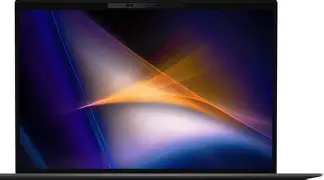
Display is a decisive factor for many buyers. MSI’s Prestige line prioritizes color accuracy and factory calibration, which suits photographers and designers who need predictable color reproduction. The Prestige's panel choices often include high-resolution IPS or OLED options with wide color gamut coverage and calibration tools.
Looking for the best Laptops & Computers deals on Amazon?
View Offers →Samsung’s Galaxy Book6 Pro typically showcases the company’s strength in display technology—AMOLED panels with deep blacks, strong contrast, and vivid colors. For content consumption and previewing, an AMOLED produces impressive visual results. Pros who require strict color grading may still prefer MSI if they rely on a calibrated, predictable workflow, while those who value punchy visuals and contrast could lean toward Samsung.
Performance and thermal behavior
Performance depends on chosen configurations—CPU, integrated vs. discrete GPU, RAM, and storage. MSI tends to offer configurations aimed slightly more at creative workloads, sometimes including discrete or enhanced-integrated graphics, while keeping thermal tuning conservative due to the 13-inch chassis. That means excellent short-burst rendering and smooth day-to-day performance but potential thermal throttling under extended, heavy loads.
Samsung’s Galaxy Book6 Pro usually prioritizes efficiency and battery-conscious performance. It performs very well for productivity tasks, light photo/video edits, and multitasking, but similarly to the MSI, sustained intensive workloads will favor larger laptops with more aggressive cooling.
Battery life and mobility
Battery life varies by configuration and panel choice (AMOLED can be more efficient in some use patterns; high-resolution panels consume more power). In general, the Galaxy Book6 Pro often posts strong day-long battery results thanks to Samsung’s power-optimization efforts, especially on models with energy-efficient processors and tuned AMOLED displays.
The MSI Prestige 13 Ai Plus tends to strike a balance—good battery life for office and light creative workflows but slightly less endurance than Samsung in some configurations, particularly when running calibration or AI workloads. For frequent flyers or long days away from an outlet, the Galaxy Book6 Pro may provide a smoother experience, while the MSI offers a superior compromise for color-critical work on the move.
Connectivity, ports, and expandability
Port selection is a practical concern. MSI’s Prestige models usually include a useful mix of USB-C (Thunderbolt …Both laptops support modern wireless standards and fast SSD storage; however, users who frequently plug in external drives, monitors, or SD cards should check specific SKU port lists before purchasing—MSI may offer slightly more native port versatility on select models.
Keyboard, trackpad, webcam, and speakers
Typing feel and input hardware are subtle but important differences. MSI often equips its Prestige line with a comfortable, slightly tactile keyboard aimed at long typing sessions, while Samsung focuses on a shallow yet responsive keyboard with a premium trackpad experience. Webcam quality is generally adequate for video calls on both; Samsung sometimes bundles better camera software integration with its ecosystem. Audio quality varies by model, but both manufacturers deliver acceptable speakers for casual media consumption—headphones remain recommended for serious audio work.
Software, features, and ecosystem
MSI includes creator-focused utilities such as display calibration presets, performance profiles, and hardware control panels. These tools benefit professional workflows where display accuracy and thermal tuning matter. Samsung’s strengths lie in ecosystem features—phone-to-PC continuity, quick file transfers, and utilities that work best with Samsung phones and tablets. Buyers who already own a Samsung phone will notice real productivity gains from this integration.
Pros & cons
Msi Prestige 13 Ai Plus
- Pros: Compact and highly portable; color-accurate display options and calibration tools; creator-focused utilities; premium metal build; good keyboard for extended typing.
- Cons: Limited thermal headroom in a very small chassis for heavy sustained rendering; battery life can be shorter on color-accurate high-resolution panels; port selection varies by SKU and may require adapters for some workflows.
Samsung Galaxy Book6 Pro
- Pros: Excellent AMOLED display with deep contrast and vivid colors; usually very good battery life; extremely thin and lightweight; tight integration with Samsung ecosystem; attractive modern design.
- Cons: Fewer native legacy ports on some models; color accuracy can be less predictable out of the box compared with professionally calibrated panels; S Pen or touch features vary by configuration.
Side-by-side comparison
| Category | Msi Prestige 13 Ai Plus | Samsung Galaxy Book6 Pro |
|---|---|---|
| Target user | Creators and professionals prioritizing color-accurate, compact laptop | Professionals and frequent travelers who want vivid display and long battery life |
| Typical screen | 13-inch high-res IPS or OLED options with factory calibration | 14-inch (or similar) AMOLED with deep contrast and vivid colors |
| Performance focus | Balanced for creative apps in a small chassis; sometimes discrete GPU options | Efficient performance tuned for battery life and everyday multitasking |
| Portability | Extremely compact and easy to carry | Very thin and lightweight, slightly larger screen area |
| Battery life | Good for office use; varies with panel and load | Typically excellent under mixed-use scenarios |
| Ports & expandability | Often includes more diverse ports (SD option on some SKUs) | Lean port selection; relies on USB-C and docks for expansion |
| Special features | Creator utilities, calibration, AI-assisted workflows on some models | Samsung ecosystem integration, continuity features, possible S Pen support |
| Who should prefer it? | Photographers/designers who value color accuracy in a tiny chassis | Users who want the best display experience and battery life with Samsung phone integration |
Buying guide — how to choose between them
Choosing the right laptop comes down to matching features to real-world priorities. Below are the main decision points and how each model aligns with them.
1. Display needs: accurate color vs. punchy visuals
If color fidelity for print or client work is critical, prioritize the MSI Prestige 13 Ai Plus if it’s configured with a factory-calibrated panel. If visual impact and contrast matter more—previewing media, streaming, or general content enjoyment—the Galaxy Book6 Pro’s AMOLED will impress.
Discover deals on Laptops & Computers — updated daily.
View Offers →2. Portability and size
For the absolute smallest travel footprint, MSI’s 13-inch form factor is hard to beat. For slightly larger workspace (more screen real estate) without a major weight tradeoff, Samsung’s 14-ish inch approach offers a middle ground.
3. Battery life and all-day usage
Samsung typically optimizes for all-day battery life; if long stretches away from power are frequent, the Galaxy Book6 Pro is generally the safer bet. MSI will still deliver a full workday for many users, but highly color-accurate displays and heavy creative tasks will reduce run time faster.
4. Ports and media workflows
Photographers who regularly offload SD cards should check for an SD slot or plan for a small adapter. MSI’s smaller Prestige models sometimes include better native options for media transfer; Samsung often favors thinness over a wide array of ports.
5. Performance expectations
Decide whether the machine will handle occasional creative tasks or sustained heavy workloads. For occasional editing and general productivity both laptops work well; for sustained high-res video rendering, a larger laptop with more robust cooling might be necessary regardless of brand.
6. Ecosystem and device integration
Samsung’s value rises if the buyer already uses a Samsung phone or tablet—the continuity features are convenient and time-saving. MSI offers cross-platform tools but not the same phone-to-PC integration depth.
7. Budget and total ownership
Both models are positioned in the premium segment. Buyers should consider warranty, support, and local service options as part of the total cost. Also plan for accessories (docking station, card reader, or external GPU docking) depending on workflow needs.
8. Keyboard, camera, and daily comfort
If long typing sessions are a major part of daily work, try both keyboards in a store or demo unit—MSI often leans toward a slightly more tactile experience, while Samsung’s shallow, wide keyboard and larger trackpad appeal to those who prioritize a smooth cursor experience.
Conclusion
Both the Msi Prestige 13 Ai Plus and the Samsung Galaxy Book6 Pro address the needs of professionals and creative users who want premium, ultraportable laptops. The choice between them centers on priorities: the Prestige favors compact precision for creators who need predictable color and creator-focused tools in a tiny package, while the Galaxy Book6 Pro emphasizes an outstanding visual experience, long battery life, and deep continuity with Samsung’s mobile ecosystem.
For buyers who travel light and require calibrated color and creator utilities, MSI’s Prestige 13 Ai Plus is a compelling option. For those who prioritize display quality, battery endurance, and seamless integration with Samsung devices, the Galaxy Book6 Pro is likely the better fit. Assess the specific configurations available, test the keyboard and display in person when possible, and match the machine to the real-world tasks it will tackle most frequently—this pragmatic approach ensures the laptop chosen will support the user’s day-to-day needs effectively.