Should You Upgrade from Nothing Phone 3 to Motorola Edge 70?
Introduction
Upgrading a smartphone is rarely a pure technical decision; it is a blend of lifestyle, budget, and expectations. For owners of the Nothing Phone 3 considering a move to the Motorola Edge 70, the choice often comes down to priorities: design and user experience versus everyday practicality and price-to-performance. This article examines how the two phones compare across design, display, performance, camera, battery life, software, and real-world use cases to help readers decide whether an upgrade makes sense.
Summary at a Glance
Both phones sit in the mid-to-upper midrange segment and appeal to buyers who want polished hardware without flagship prices. The Nothing Phone 3 stands out for its distinctive industrial design and attention to software aesthetics, while the Motorola Edge 70 leans into pragmatic value, reliable performance, and features that favor productivity and longer daily endurance. The decision to upgrade depends on what aspects the user values more: personality and ecosystem coherence, or balanced everyday performance and hands-on practicality.
Detailed Product Review and Analysis
Design and Build
The Nothing Phone 3 continues the brand’s emphasis on a unique visual identity. Its design language is intended to feel different from typical glass-and-metal slabs: visual accents, a minimalist interface aesthetic, and careful material choices create a phone that stands out when held and seen. For users who view the phone as a personal statement or an extension of personal style, this can be a deciding factor.
The Motorola Edge 70 takes a more conservative but refined approach. Motorola emphasizes ergonomics — comfortable curves, a light but solid frame, and a finish meant to resist fingerprints and scuffs. It aims to blend into many use cases: one-handed navigation, pocket comfort, and a design that’s unobtrusive in professional settings.
Display and Real-World Use
Both phones offer bright, colorful panels suitable for watching video, browsing, and gaming. The Nothing Phone 3 usually markets its display as part of the whole visual identity, pairing tuned color profiles and interface animations to create a cohesive experience. This can matter to buyers who consume media or who appreciate finely tuned UI motion and color fidelity.
The Motorola Edge 70 focuses on delivering a dependable display that balances color accuracy and battery efficiency. For most users who stream frequently, read e-books, or use their phone outdoors, Motorola’s panel typically provides practical brightness and a smooth feel during navigation. If outdoor visibility and consistent color reproduction under different lighting conditions are priorities, the Edge 70 is often the more pragmatic choice.
Performance and Everyday Responsiveness
In everyday scenarios — social media, messaging, navigation, and light gaming — both phones are capable. Differences arise under sustained loads: prolonged gaming sessions, complex multitasking, or heavy multimedia editing. The Nothing Phone 3 often emphasizes a tuned software layer that feels snappy, and this perceived smoothness can make day-to-day interactions feel more pleasant.
The Motorola Edge 70 typically emphasizes balanced thermal control and sustained performance. For users who run heavier workloads or want consistent performance during extended use, Edge devices often show steadier behavior without aggressive throttling. Benchmarks matter less than how the phone behaves after an hour of heavy use — and here the Edge 70’s practical engineering may win points.
Camera Quality in Real Use
Cameras are one of the most visible differences for buyers who take photos regularly. The Nothing Phone 3 tends to offer a camera system optimized for daylight and social sharing: punchy processing, vivid colors, and an emphasis on images that look great on social feeds. For everyday snapshots, social posts, and casual portraits, this approach produces satisfying results with minimal effort.
Shop the latest Mobile Phones picks on Amazon.
View Offers →The Motorola Edge 70 generally aims for balanced output across lighting conditions. Motorola’s processing leans toward natural colors and good dynamic range, which benefits users who prefer images that require less correction later. Low-light performance and portrait consistency are important real-world metrics; for many users, the Edge 70’s camera system produces usable photos across a wider set of conditions without dramatic swings in output.
Battery Life and Charging
Battery life is among the top considerations when deciding to upgrade. Nothing's approach often favors thinness and design, which sometimes constrains battery capacity but compensates with software optimizations. For a typical mixed day (calls, messaging, browsing, a bit of streaming), owners of the Nothing Phone 3 can expect a full day, though heavy users may need an evening top-up.
Motorola’s Edge 70 frequently places a premium on endurance and charging practicality. If a buyer’s routine includes long commutes, extended GPS navigation, or many camera sessions, the Edge’s approach to battery and more conservative power tuning can translate into longer usable hours and less frequent charging. Charging speeds and available charging accessories matter less than how the phone lasts during real use days.
Software, Updates, and Ecosystem
Software is a significant differentiator. Nothing's software emphasizes a distinctive aesthetic and curated experience; it often ships with unique UI elements that tie into the phone’s overall design philosophy. That said, update cadence and long-term support are practical concerns: buyers should check the manufacturer's update policy and real-world track record for security patches and OS upgrades.
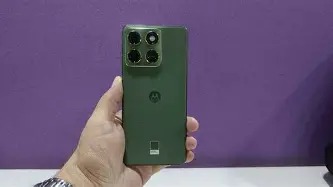
Motorola’s software approach focuses on clean Android with useful additions that don’t overwhelm the core experience. Motorola historically provides modest customization and utility features while keeping the interface familiar. For buyers who prioritize predictable updates, compatibility with a wide range of accessories, and a stable software baseline for work apps, Motorola is often a comfortable choice.
Durability and Convenience Features
Considerations like water resistance, wireless charging, stereo speakers, headphone jack presence, and accessory ecosystems influence the daily experience. Nothing Phone 3 generally highlights a premium feel and may include features that enhance everyday enjoyment, while Motorola often emphasizes practical features like reliable connectivity and accessory compatibility. Buyers who rely on features such as expandable storage (if applicable), robust water resistance, or specific connectivity standards should verify the exact model specifications they plan to buy.
Pros & Cons
Nothing Phone 3
- Pros: Distinctive design and brand identity; coherent visual software language; pleasant day-to-day UI animations and interactions; solid performance for typical day-to-day tasks; cameras tuned for social-ready images.
- Cons: Design-focused choices can compromise raw battery capacity; update longevity may vary; hardware choices favor aesthetics which can make repairs or third-party accessory compatibility less straightforward.
Motorola Edge 70
- Pros: Practical and ergonomic design; steady sustained performance; reliable battery life and pragmatic charging behavior; balanced camera output across varied lighting; familiar and uncluttered software layer suited for productivity.
- Cons: Less visually distinctive; software customization is minimal compared with boutique brands; may feel more generic to users seeking visual flair or a unique identity.
Comparison Table
| Category | Nothing Phone 3 | Motorola Edge 70 |
|---|---|---|
| Design | Bold, distinctive, design-first approach that stands out. | Ergonomic, refined, and understated — built for comfort. |
| Display | Vibrant panel with UI-driven visual polish. | Reliable, bright display optimized for outdoor use and efficiency. |
| Performance | Snappy day-to-day performance with tuned software. | Balanced sustained performance and better thermal handling. |
| Camera | Social-ready processing, punchy colors in good light. | Natural color reproduction and consistent results across conditions. |
| Battery | Good for a day in standard use; design may limit capacity. | Tend to provide longer real-world endurance and steady consumption. |
| Software | Unique aesthetic and curated experience; appeal to brand fans. | Clean Android with useful Moto features; predictable and practical. |
| Value | Appeals to buyers who want differentiation and style for the price. | Appeals to buyers who want dependable features and longevity for the price. |
Real-World Use Cases and Buyer Profiles
Different users prioritize different things when deciding whether to upgrade. The following profiles help translate product traits into practical guidance:
- The Visual Enthusiast: Values appearance, UI personality, and phones that feel different. For this buyer, the Nothing Phone 3 is attractive because it makes the handset feel personal and design-driven.
- The Daily Power User: Needs steady performance throughout long workdays, consistent battery life, and reliable connectivity. Motorola Edge 70 often aligns better with these needs because of its practical engineering and focus on sustained use.
- The Social Photographer: Shoots many images and posts to social platforms. If quick, punchy output and a camera tuned for social sharing are priorities, Nothing Phone 3’s processing may be preferable.
- The Traveler or Commuter: Prioritizes battery endurance and outdoor visibility. The Edge 70’s pragmatic battery tuning and readable display make it a compelling choice for long days away from chargers.
- The Budget-Conscious Upgrader: Seeks the best overall daily experience at a given price. Compare regional prices and consider which phone offers the most of what matters to daily routines — sometimes the Motorola option yields more consistent value.
Buying Guide: Should You Upgrade?
When deciding whether to upgrade from the Nothing Phone 3 to the Motorola Edge 70, consider a checklist approach. This helps weigh emotional appeal against practical improvements.
Shop the latest Mobile Phones picks on Amazon.
Shop Amazon →1. Identify what dissatisfies you today
If the Nothing Phone 3’s shortcomings are primarily battery life, thermal performance under long sessions, or the need for a more neutral camera output, the Motorola Edge 70 likely provides meaningful improvements. If dissatisfaction is about lacking personality or bolder style, switching to a more conservative design will not address that emotional need.
2. Prioritize features that affect daily life
- Battery and charging: Do not rely solely on advertised numbers. Consider how the phone behaves during a full day of your typical tasks.
- Software updates: Check the manufacturer’s stated update policy and community experiences for real-world patch cadence.
- Comfort and durability: Feel and long-term durability matter if the phone is used heavily or carried without a case.
3. Test before you commit
If possible, spend time with a demo unit. Pay attention to how the phone feels in hand, UI smoothness in the apps used daily, and camera output for the kind of photos taken most often. A short hands-on session reveals more than spec lists.
4. Consider resale value and timing
Upgrading makes more sense if the resale value of the Nothing Phone 3 offsets a portion of the new purchase. Timing also matters — if a new model refresh is imminent for either brand, waiting might yield a better trade-in window or a newer feature set.
5. Accessories and compatibility
Some users depend on specific accessories (cases, wireless chargers, car mounts). Confirm accessory compatibility and ergonomics before switching. The convenience of existing accessories can be a reason to delay an upgrade.

Practical Tips for a Smooth Upgrade
- Back up data to cloud services or a local computer before initiating transfer.
- Check that essential apps and services are compatible and that any platform-specific features (e.g., proprietary gestures or widgets) are available or have equivalents.
- Factor in carrier compatibility and any eSIM or SIM tray differences that may require a visit to a carrier store.
- Compare screen protectors and case availability; design differences may affect how protective accessories fit and function.
Conclusion
Upgrading from the Nothing Phone 3 to the Motorola Edge 70 is not a universally right or wrong decision — it depends on what the user values most. If the Nothing Phone 3’s unique design and cohesive visual software are central to the user’s satisfaction, there may be little reason to switch. However, for users who want steadier battery life, more consistent sustained performance, and a pragmatic, no-nonsense daily experience, the Motorola Edge 70 is a sensible upgrade candidate.
Ultimately, the smartest upgrade choice balances emotional appeal with practical improvements. Testing a device in the environment it will be used most — commuting, photography, or heavy multitasking — reveals whether the Motorola Edge 70 will deliver a clear, lasting benefit over the Nothing Phone 3. When the trade-offs are transparent, the decision becomes a matter of priorities rather than marketing.