Spec Battle: Motorola Razr 2025 vs Google Pixel 10 — Is It Worth Upgrading?
Category: Mobile Phones
Introduction
Foldables and flagship mainstream phones continue to push one another forward. The Motorola Razr 2025 and the Google Pixel 10 represent two different philosophies: the Razr aims to refresh the clamshell foldable experience with style and compact convenience, while the Pixel 10 focuses on computational photography, clean Android, and value-driven flagship performance. For buyers deciding whether to upgrade from an older phone or switch between these two, understanding real-world trade-offs — battery life, camera behavior in everyday scenarios, software longevity, durability, and total cost of ownership — matters more than headline specs.
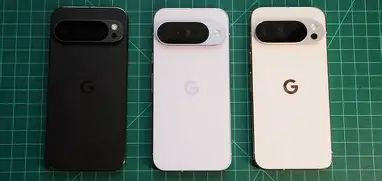
This article breaks down how the Razr 2025 and Pixel 10 compare across the most important categories, offers pros and cons for each, provides a concise comparison table, and finishes with a practical buying guide aimed at common buyer profiles.
High-level summary
In short: the Razr 2025 appeals to those who value a compact, pocketable device and the novelty and convenience of a clamshell foldable. The Pixel 10 will be the safer pick for people who prioritize consistent camera performance, sustained software support, and lower friction for productivity and developer-friendly features. Which is "worth it" depends on whether the benefits of the Razr's form factor outweigh potential compromises in battery size and long-term durability for the buyer.
Detailed product analysis
Design and build
Motorola Razr 2025: The Razr brings the compactness of a flipped phone to a modern flagship class. When closed it fits in small pockets and purses, and its external display (or cover screen) allows quick interactions — notifications, media controls, camera framing — without opening the device. Hinges have improved over successive generations, and manufacturers continue to work on crease minimization. The Razr usually uses glass and metal for a premium feel but inevitably introduces a hinge seam and a longer-term worry about dust ingress and repeated mechanical wear.
Google Pixel 10: The Pixel retains the classic slate form factor: single-piece glass front, aluminum frame, and a familiar, ergonomic footprint. Its advantage is predictability — no moving parts to worry about, a solid water-and-dust resistance profile (IP rating typical on recent Pixels), and generally easier one-handed use than larger foldables when open. The Pixel also typically offers a matte or glossy finish that ages well and is easier to repair.
Display and daily use
Razr 2025: The internal foldable panel gives a larger usable display area when opened and an external quick-view display for fast tasks when closed. The main internal OLED usually hits flagship brightness and color accuracy, and the refresh rate is often high (90–120Hz class). The crease is noticeable in some lighting and for some gestures, and multi-window productivity is more experimental on clamshells because of the unusual screen shape and hinge behaviors.
Pixel 10: A single large OLED panel optimized for color accuracy, refresh rate, and adaptive brightness. For users who consume content, read, or multitask in a conventional way (two apps side-by-side via split-screen), the Pixel's uninterrupted canvas is more predictable. For continuous gaming or long-form reading, a classic slate display is more comfortable and consistent.
Performance and thermals
Razr 2025: Motorola typically equips its newer Razr models with high-end mobile chipsets suitable for mainstream flagship workloads — web browsing, social media, modern games. However, compact foldables can face thermal constraints due to smaller chassis volumes, so sustained heavy workloads (long gaming sessions, intensive video exports) may trigger more aggressive thermal throttling compared with larger slates.
Pixel 10: The Pixel line usually benefits from well-optimized hardware-software integration, which yields smooth everyday performance and efficient thermals. For users who rely on continuous, heavy tasks or background processes, a Pixel’s sustained performance tends to be more consistent.
Camera performance
Razr 2025: Motorola equips its foldable with capable camera hardware and camera systems tuned for social media-ready photos. The convenience of shooting with the phone closed — using the external display as a viewfinder — is a strong real-world advantage for quick portraits or selfies without unfolding the device. However, some camera sensors and imaging pipelines in foldables can be slightly behind the leaders in computational photography, particularly in low-light or challenging HDR situations.
Find top-rated Mobile Phones products at great prices.
See Deals →Pixel 10: Photography is Google’s flagship focus. The Pixel line’s computational photography algorithms consistently deliver excellent dynamic range, low-light performance, and color processing without needing top-tier sensor sizes. For users who prioritize point-and-shoot quality — travel photos, night scenes, family photos — the Pixel experience is usually more consistent across varied lighting conditions.
Battery life and charging
Razr 2025: The foldable form factor constrains battery capacity compared with same-sized slates; users should expect decent but not class-leading endurance. If a buyer frequently uses media, dual screens, or heavy GPS navigation, battery drain can be more noticeable. Fast charging is typically supported but battery longevity over years may be a concern if the device is used heavily.

Pixel 10: A design with a single large internal battery typically allows for longer overall runtime and more efficient power delivery. Pixels often include adaptive battery features that help with day-to-day longevity. For power users who rely on all-day use without frequent top-ups, the Pixel is often the safer bet.
Software, updates, and ecosystem
Razr 2025: Motorola provides a near-stock Android experience with some OEM features and customizations. Historically, Motorola's update cadence lags behind Google, so buyers who prioritize long-term OS and security updates should factor that in. The Razr’s unique UX elements centered on the external display and foldable gestures are promising for certain workflows.
Pixel 10: Google’s device is the gold standard for timely Android updates, extended security support, and direct access to the latest features and Pixel-exclusive software improvements. For users who want guaranteed prompt OS updates, feature drops, and years of security patches, the Pixel is the clear leader.
Durability and repairability
Razr 2025: The hinge and foldable display introduce new failure modes (hinge wear, screen creasing, protective layer damage). Repair costs for foldables tend to be higher, and availability of parts may be limited early in a model’s life cycle. Motorola has improved robustness, but buyers should expect different long-term risk compared with conventional phones.
Pixel 10: Conventional slates are easier to repair, with widespread availability of replacement parts and many independent repair shops able to service them. The Pixel’s simpler construction reduces mechanical risk over time and simplifies insurance decisions.
Pros & Cons
Motorola Razr 2025 — Pros & Cons
- Pros: Exceptional pocketability; unique quick-access external display; foldable novelty and social appeal; capable main display when opened; good for casual selfies without unfolding.
- Cons: Potentially shorter battery life compared with same-class slates; higher repair costs and hinge wear risk; possible thermal limits under sustained heavy load; software update cadence may be slower.
Google Pixel 10 — Pros & Cons
- Pros: Consistent computational photography; timely and long-term software updates; reliable battery life and thermals; straightforward durability and repairability; predictable user experience.
- Cons: Lacks the pocket-sized charm and external quick interactions of a clamshell; conventional slab design may feel less novel; fewer "wow" form-factor talking points.
Side-by-side comparison
| Category | Motorola Razr 2025 | Google Pixel 10 |
|---|---|---|
| Form factor | Clamshell foldable — compact closed size, internal large display | Conventional slate — single uninterrupted display |
| Display | Foldable OLED (high refresh) + external cover screen for quick tasks | Flat OLED with high refresh and wide color gamut |
| Performance | Flagship-class chipset — excellent day-to-day speed, possible thermal limits | Optimized flagship performance with consistent sustained load handling |
| Camera | Good hardware; unique closed-phone selfie convenience; solid daylight shots | Best-in-class computational photography; strong low-light and HDR |
| Battery & charging | Smaller battery capacity by design; fast charging supported | Larger battery, typically better all-day endurance; fast charging supported |
| Software & updates | Near-stock Android with OEM features; update cadence usually slower | Direct from Google — fastest updates and longer guaranteed support |
| Durability & repair | More moving parts; potentially higher repair cost; hinge wear considerations | Simpler repair path; fewer moving parts; widespread repair options |
| Best for | Users who want a pocketable flagship and the novelty of foldables | Users who want dependable camera quality, software longevity, and predictability |
Real-world use cases — who benefits most
Street photographers and social sharers
Someone who takes spontaneous portraits, selfies, or short clips and values the ability to shoot without unfolding the phone will appreciate the Razr's external screen for framing. However, for maximum consistency across lighting conditions — night shots, indoor events — the Pixel’s computational photography will yield higher hit rates with less fiddling.
Commuters and travelers
For commuters who want a compact device that tucks into small pockets while still giving full-size screen real estate when opened, the Razr is compelling. Travelers who need reliable battery and camera quality throughout a long day will find the Pixel’s predictable endurance and imaging performance easier to count on, especially when charging opportunities are limited.
Power users and productivity
Users who run sustained workloads (long gaming sessions, intensive multitasking, daily content creation) may prefer the Pixel’s thermal consistency and single large display for productivity. The Razr can still handle day-to-day productivity, but heavy continuous tasks could be constrained by thermal throttling or battery limits.
Longevity-minded buyers
Buyers who intend to keep a phone for several years should weigh the repairability and update cadence. The Pixel’s software updates and simpler repair profile make it more future-proof in a practical sense; foldables add the hinge into the durability equation and typically command higher repair costs.
Discover deals on Mobile Phones — updated daily.
View Offers →Buying guide — how to choose
Step 1: Prioritize the form factor
If pocketability and the foldable experience are the main priorities, lean toward the Razr. If a traditional, dependable phone that minimizes unknown hardware risk is preferred, choose the Pixel.
Step 2: Decide how important camera consistency is
For buyers who expect the phone to reliably produce the best possible photos across all lighting scenarios with minimal manual adjustment, the Pixel is the safer choice. The Razr is great for quick snapshots and daylight shots but may require more manual control or selective use to match Pixel-level consistency.
Step 3: Consider battery life and charging patterns
Ask: how many hours away from a charger does the typical day include? If long continuous use is common (navigation, streaming, remote work), pick the device that demonstrably lasts longer in similar usage patterns — typically the Pixel. If charging midday is normal and the convenience of a small closed phone is more valuable, the Razr remains attractive.
Step 4: Factor in software updates and resale value
Google phones get fast updates and longer guarantees, which can extend useful lifespan and resale value. If long-term software support is a priority, the Pixel 10 is preferable. If hardware novelty and immediate lifestyle fit matter more than long-term software maintenance, the Razr can be chosen despite the trade-offs.
Step 5: Plan for repairs and protection
Foldable owners should budget for a sturdier case or insurance and be comfortable with possibly higher repair costs. For Pixel buyers, standard cases and more repair options keep long-term ownership costs predictable.
Step 6: Compare prices and promotions
Purchase decisions should include the total outlay: device price, tax, accessories (cases, screen protectors), and optional insurance or extended warranties. Because foldables often command a price premium, buyers should decide whether the form factor justifies the difference for their personal use case.
Practical tips for testers and first-time buyers
- Test hinge feel and screen folding in person if possible; notice any play or unusual gaps.
- Try the camera in both daylight and low-light situations to see if post-processing matches expectations.
- Open the phone’s settings to check promised update windows and security patch cadence.
- Consider an extended warranty or device protection plan for foldables; hinge issues are the most reported complaint in long-term ownership reports.
- Carry a small charger or power bank if choosing a compact foldable and planning long days away from power.
Conclusion
The Motorola Razr 2025 and Google Pixel 10 each represent a coherent answer to different buyer priorities. The Razr excels if portability, the novelty and convenience of a clamshell, and unique interaction patterns are the deciding factors. The Pixel 10 offers dependable camera performance, consistent software updates, predictable battery life, and easier long-term maintenance — attributes that matter for most practical, everyday users.
Is it worth upgrading? For users on older phones who want the latest camera and software experience with minimal surprises, the Pixel 10 is a clearly worthwhile upgrade. For those who are intrigued by foldables and who value pocketability and quick closed-phone interactions above absolute consistency in battery or long-term repair risk, the Razr 2025 presents a compelling, albeit more lifestyle-oriented, upgrade.
In the end, the choice comes down to which compromises a buyer is willing to accept: a compact, hinge-driven experience with occasional trade-offs, or a conventional slate that prioritizes consistency and longevity. Matching those trade-offs to daily routines — commuting, photography habits, charging patterns, and tolerance for novelty — will clarify which phone is the better, more satisfying upgrade.