The Ultimate Setup Guide for Your Adata Sd820 External Ssd
Introduction
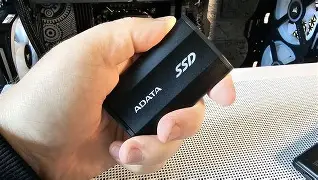
The Adata Sd820 external SSD is a compact storage option aimed at laptop users who need fast, portable, and reliable storage for everyday workflows. Whether backing up a creative project, extending laptop storage, or moving large datasets between workstations, an external SSD brings clear advantages in speed and durability compared with spinning hard drives. This guide walks through everything a laptop owner needs to know to set up, optimize, and maintain an Adata Sd820 so it performs well and lasts a long time.
Readers can expect practical, hands-on advice: initial setup, file system and partition recommendations, real-world performance considerations, routine maintenance, security and backup tips, and a buying guide addressing the most common buyer concerns. The tone is editorial and informative, focused on helping buyers and owners get the best from their drive without marketing fluff.
Product overview and what to expect
The Adata Sd820 sits in the category of portable external solid-state drives built for laptop users who need higher performance and better shock resistance than portable hard drives. Key attributes buyers typically look for include:
- Form factor and portability: pocket-sized, lightweight units that travel easily with a laptop.
- Interface: USB-C with backward compatibility to USB-A via a cable or adapter; many modern external SSDs support USB 3.2 Gen 2 for higher throughput.
- Durability: SSDs are naturally more shock-resistant than HDDs; some models offer additional ruggedization or IP ratings.
- Performance: sustained read/write speeds that reduce large-file transfer times—particularly relevant for photographers, video editors, and developers.
- Capacity options: common sizes range from 256 GB to multiple terabytes depending on model.
- Compatibility and software: cross-platform formatting, optional encryption utilities or firmware update tools provided by the manufacturer.
Because product lines evolve, exact specifications and features can vary by model and retail region. This guide emphasizes universally applicable setup steps and practices that apply regardless of minor specification differences.
Before you begin: checklist
- Ensure the laptop has the correct physical ports (USB-C or USB-A) and, where possible, a USB 3.1/3.2 or Thunderbolt port for best performance.
- Back up critical data before reformatting or performing any destructive operations.
- Use the cable included with the SSD or a high-quality, data-capable cable rated for the drive’s interface.
- Have administrative rights on the laptop to run formatting tools, firmware updates, or security utilities.
Step-by-step setup guide
1. Physical connection
Connect the Adata Sd820 to the laptop using the provided cable. If the laptop lacks USB-C, use a USB-C to USB-A cable or adapter. For best performance, plug into a port that supports USB 3.1/3.2 Gen 2 or Thunderbolt (when supported); ports on docking stations or hubs may fall back to slower speeds depending on the hub design.
2. Initial recognition and checks
After connecting, the drive should appear in the operating system’s storage manager:
- Windows: open Disk Management to see the drive and its partitions.
- macOS: open Disk Utility to locate the external drive.
- Linux: use lsblk or GParted to identify the device node (e.g., /dev/sdb).
If the drive does not appear, try a different USB port or cable, confirm the cable supports data (not just charging), and test on another laptop to rule out host issues.
3. Choosing a file system
Choose the file system based on how the drive will be used:
- Windows-only: NTFS offers robust permissions, recovery features, and wide Windows compatibility.
- Mac-only: APFS is optimized for solid-state storage on modern macOS versions; HFS+ is an alternative for older macOS releases.
- Cross-platform (Windows & Mac): exFAT is the practical choice for transferring large files between platforms without added software. It lacks journaling, so ensure backups.
- Linux compatibility: ext4 is a common choice for Linux-only workflows; for cross-platform access, exFAT or using network shares are typical approaches.
Formatting will erase the drive. Confirm backups before changing the file system.
4. Formatting the drive
Use built-in utilities to format safely:
- Windows: Disk Management → right-click the new volume → Format → choose NTFS or exFAT.
- macOS: Disk Utility → select the external drive → Erase → choose APFS, Mac OS Extended, or exFAT.
- Linux: GParted or mkfs tools to create ext4 or exFAT partitions.
Partitioning is optional. For simplicity and maximum compatibility, most users will create a single partition that spans the entire drive.
Looking for the best Laptops & Computers deals on Amazon?
Browse Now →5. Enabling performance-friendly settings (Windows)
Windows users can enable write caching for improved sustained performance at a small risk of data loss during power loss:
- Device Manager → Disk drives → Properties → Policies → choose “Better performance” to enable write caching. Use this only if the laptop is on reliable power or the drive will be ejected properly each time.
Always safely eject the drive before disconnecting to ensure cached writes are flushed.
6. Firmware updates and vendor utilities
Manufacturers sometimes release firmware and utility software to improve performance or fix issues. Check the manufacturer’s support resources for available firmware updates and follow the provided instructions carefully. Keep a backup before updating firmware.
7. Security and encryption
For sensitive data, enable encryption:
- Windows: BitLocker can encrypt the entire external drive (available on Pro and Enterprise editions).
- macOS: Enable FileVault for the system or use Disk Utility to create an encrypted APFS volume for the external drive.
- Cross-platform: use container-based encryption such as VeraCrypt if access from multiple operating systems is required.
Save recovery keys in a secure location; losing them will make data irrecoverable.
8. Backup and redundancy
An external SSD is a fast storage medium but not a replacement for a robust backup plan. Consider a 3-2-1 approach: three copies of data, on two different media types, with one offsite copy. For laptop users, keep one copy on the internal drive, one on the external SSD, and another on cloud or a separate physical drive.
Performance and real-world behavior
External SSD performance depends on several factors beyond the drive itself:
- Host port capability: USB 2.0 vs USB 3.0/3.1/3.2 or Thunderbolt substantially impacts transfer rates.
- Cable quality: low-quality or charging-only cables will limit speed and reliability.
- File sizes: many small files transfer slower due to overhead; large contiguous files saturate the interface better.
- Thermal throttling: compact SSD enclosures may warm under heavy sustained transfers and reduce speed to protect the drive.
- Host CPU and drivers: older laptops with weak controllers may bottleneck throughput.
For creative professionals moving large video files, the difference between USB 3.0 and USB 3.2/Thunderbolt manifests as minutes saved when transferring multi-gigabyte assets. Developers working with virtual machines will appreciate the lower latency of an SSD for quicker VM start times and builds. Photographers benefit from fast import/export times while traveling.
Pros & Cons
Pros
- Portable and lightweight — easy to carry with a laptop for on-the-go workflows.
- Faster transfer rates and lower latency than portable hard drives, improving productivity for large-file tasks.
- Better shock resistance and durability compared with spinning drives.
- Simple plug-and-play setup for most operating systems once formatted appropriately.
- Supports common real-world use cases: backups, photo/video editing, project portability, and extra storage for laptops with small internal drives.
Cons
- Higher cost per gigabyte than HDDs — buyers trading budget for portability should weigh capacity needs.
- Potential thermal throttling during very large sustained transfers depending on enclosure design.
- Limited lifespan in terms of write cycles — SSDs wear over time (though modern drives last many years under normal use).
- Cross-platform permissions and metadata handling can be awkward if the drive is used between macOS and Windows frequently; exFAT is convenient but lacks journaling.
Comparison — Adata Sd820 vs. common portable SSD alternatives
| Drive | Typical Interface | Capacities | Real-world Use Case Strength | Durability / Ruggedness |
|---|---|---|---|---|
| Adata Sd820 | USB-C (USB 3.x compatible) | 256 GB – 2 TB (varies by SKU) | Balanced choice for laptop users needing fast portable storage for backups and media | SSD-level shock resistance; model-dependent rugged features |
| Samsung T7 (example) | USB-C (USB 3.2 Gen 2) | 500 GB – 2 TB | High sustained performance for photo/video editors and power users | Compact; some models offer additional casing for better heat dissipation |
| SanDisk Extreme Portable (example) | USB-C (USB 3.1/3.2) | 500 GB – 4 TB | Outdoor shooters and field workers who need water/dust resistance | Often IP-rated and marketed as rugged |
| Crucial X8 (example) | USB-C / USB-A | 500 GB – 2 TB | General-purpose fast external SSD for mixed platform users | Strong metal housing, good heat management |
Note: The table highlights broad differences and typical strengths. Exact specifications such as sequential read/write numbers and durability ratings depend on specific SKUs and revisions. Buyers should check current technical sheets when comparing exact models.
Buying guide: what to prioritize for laptop users
1. Capacity: choose based on use case
Consider typical project sizes:
Looking for the best Laptops & Computers deals on Amazon?
Shop Amazon →- Everyday documents, photos, and smaller projects: 256–512 GB may suffice.
- Photographers and creatives with RAW photos or moderate video editing: 1 TB is a common sweet spot.
- Heavy video editing, large project archives, or using the drive for active scratch/VM storage: 2 TB or more reduces the need for juggling files.
2. Interface compatibility
For maximum speed, match the drive’s interface with the laptop’s port capability. USB-C ports labeled with SuperSpeed (5 Gbps, 10 Gbps, or 20 Gbps) or Thunderbolt deliver better sustained throughput. If unsure, a single cable that supports both USB-C and USB-A can maximize compatibility.
3. Performance vs. thermals
High peak speeds are useful, but sustained throughput and thermal design matter for prolonged transfers. If the typical workflow involves moving very large files or rendering directly from the external drive, prioritize models with better heat dissipation or active thermal management.
4. Durability and portability
Consider whether the drive will live in a backpack with other gear. Look for models with protective housings, shock resistance, or water/dust ratings if used in field environments. For office-only use, slim lightweight models are often preferable.
5. Security and software features
If protecting client or personal data is important, look for built-in hardware encryption or manufacturer-provided tools that allow password protection. Cross-platform encryption solutions are also a viable option if the drive will be used on multiple OSes.
6. Warranty and support
Check the warranty length and what it covers (e.g., replacement for drive failure). Manufacturer support responsiveness can matter, particularly when firmware updates are required.
7. Accessories
Quality cables, protective cases, and adapters are small but important choices. A short, sturdy USB-C cable reduces strain and performs better than a thin, charging-only cable. Consider a case to protect the drive from drops and scratches.
Maintenance and best practices
- Always eject the drive using the OS safe-eject function before unplugging to avoid corruption.
- Keep at least 10–20% free space on the SSD where possible; this helps the drive’s wear-leveling and performance.
- Avoid leaving the drive in extremely hot or cold environments; temperature extremes can accelerate wear.
- Periodically check for firmware updates and apply them according to the manufacturer’s instructions.
- Maintain a backup schedule rather than relying on a single external drive as the only copy of important data.
Troubleshooting common issues
If the drive is slow or disconnects intermittently:
- Confirm the cable and port support the highest available speed. Try an alternate cable or port.
- Check the laptop’s power settings; some power-saving modes can throttle USB performance.
- Scan the drive for errors with the OS tools (Windows chkdsk, macOS First Aid) if files appear corrupted.
- If performance drops after long transfers, allow the drive to cool down and avoid sustained max-load transfers without breaks.
Conclusion
The Adata Sd820 external SSD is a practical choice for laptop users who need portable, reliable storage with noticeably better performance than spinning drives. Setting the drive up correctly—choosing the appropriate file system, using the right cable and port, enabling encryption where needed, and maintaining a sensible backup plan—ensures the drive delivers real productivity benefits for photography, creative work, software development, or everyday file management.
By prioritizing capacity to match workflows, ensuring host compatibility, and following the maintenance and security practices outlined above, users can maximize the lifespan and utility of their external SSD. With careful setup and good habits, an external SSD becomes an invaluable extension of a laptop’s storage, keeping large projects portable and accessible without compromise.